Technology, new teaching methods, and changing expectations from students are transforming how learning happens. Yet in many places, classrooms are still designed around a model that has existed for decades: rows of desks facing a teacher at the front of the room.
While this format works well for lectures, it does not always support the way students learn today.
Modern education increasingly emphasizes interaction, collaboration, and problem solving. Students work in teams, discuss ideas, move between activities, and engage with both digital and physical tools throughout the day.
To support these learning styles, educational spaces are beginning to shift toward more flexible and adaptive environments.
Interestingly, these changes closely mirror how workplaces themselves are evolving.
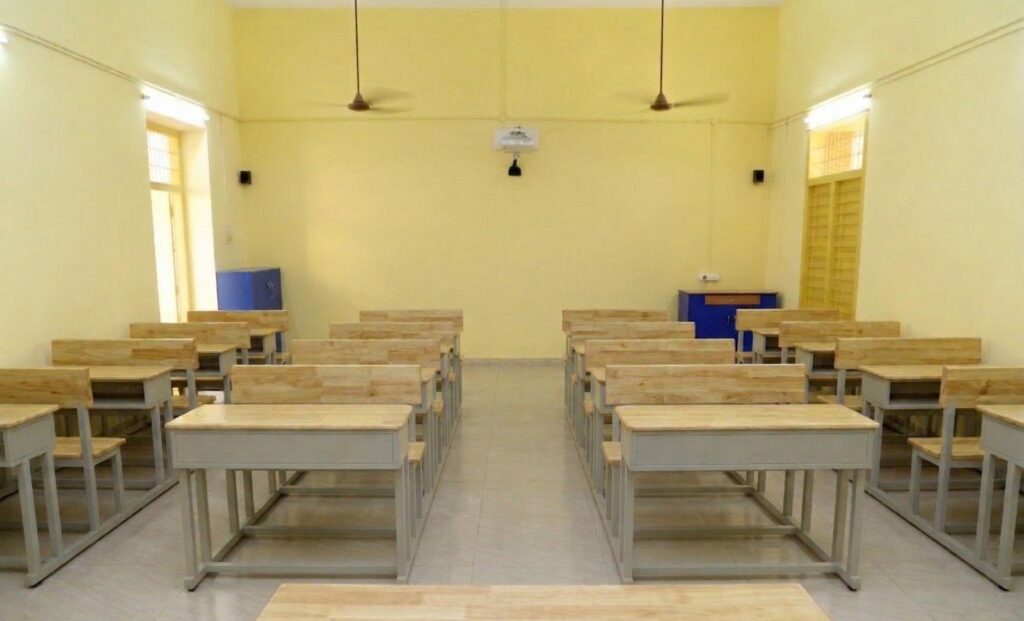
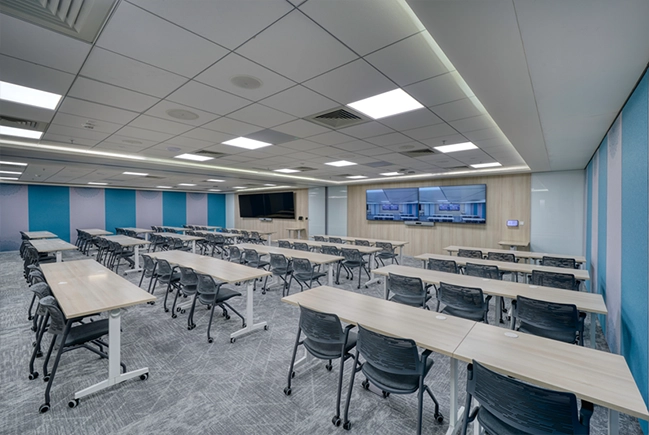
Generic Classroom
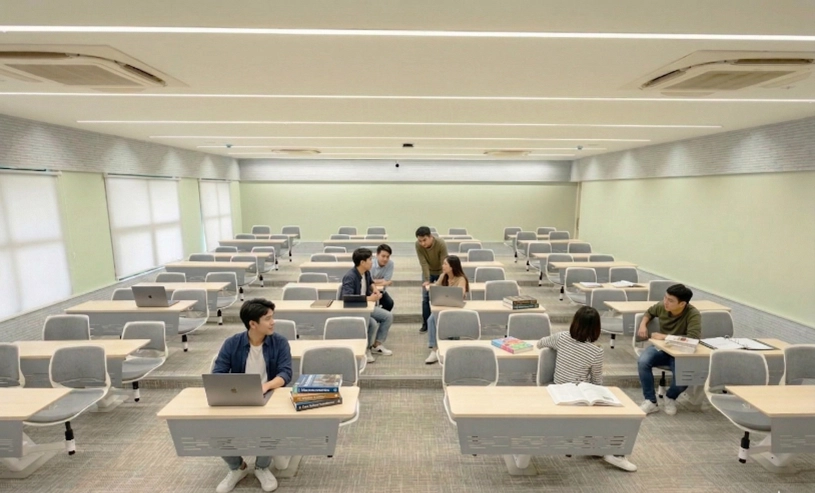
Product Featured – Xenon loop classroom seating by Featherlite
Learning Environments and Workplace Environments
The way students interact in classrooms often becomes the foundation for how they collaborate in professional settings later.
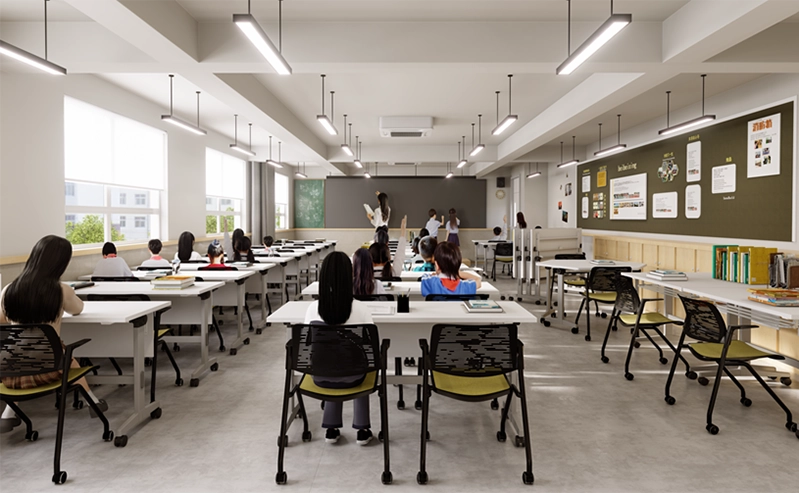
Products Featured – Sirius agile table with Data chairs by Featherlite
In a traditional classroom layout, students sit individually and passively receive information. In contrast, flexible classrooms allow students to gather in small groups, exchange ideas, and solve problems together.
These environments help develop essential skills such as:
Collaboration
Communication
Creative thinking
Adaptability
These same skills are increasingly valued in modern organizations. In many ways, today’s classrooms are early prototypes of tomorrow’s workplaces.
From Fixed Classrooms to Agile Learning Spaces
Educational institutions are gradually adopting furniture and layouts that allow spaces to change quickly. Tables can be rearranged for group discussions. Seating can shift between lecture mode and collaborative work.
Students can move easily between individual focus and team-based learning. This flexibility mirrors what organizations now seek in office environments.
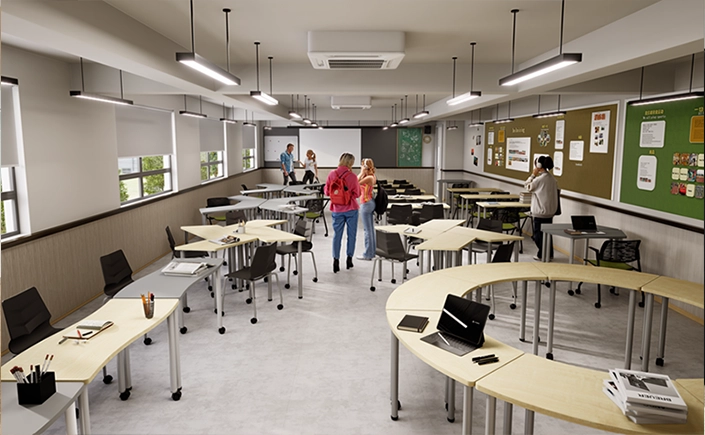
Products Featured –Glide agile table with Leaf chairs by Featherlite
Modern workplaces are designed around multiple work modes:
Focused individual work
Small team collaboration
Project discussions
Informal interactions
Hybrid meetings
Furniture systems that support mobility and reconfiguration allow both classrooms and offices to adapt throughout the day.
Preparing Students for Future Workplaces
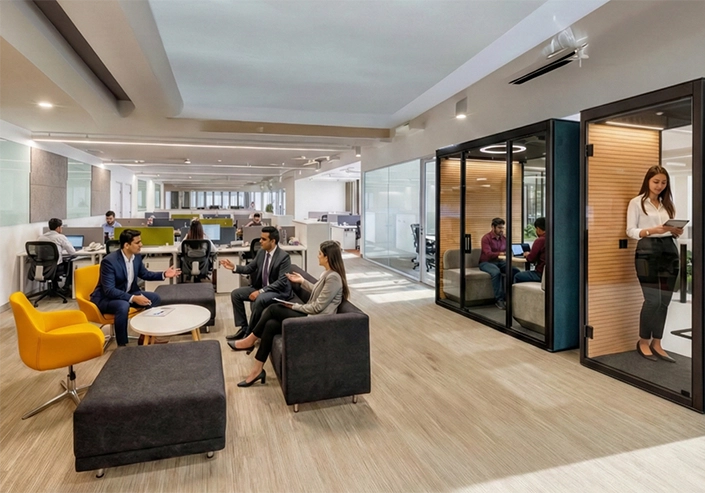
Spaces shaped by behaviour, offering choice across collaboration, focus, and privacy.
Products Featured – Hüssh! Pods, Costa Lounge Chairs, Interact Sofa by Featherlite
When students learn in environments that support interaction and collaboration, they also become more comfortable working in similar settings later in their careers.
For example, a student who regularly participates in group projects around shared tables will naturally adapt to collaborative workspaces in an office environment.
Similarly, students who experience quiet zones for focused work or breakout areas for discussion develop an intuitive understanding of how different environments support different types of work.
In this way, educational infrastructure plays a subtle but important role in preparing students for the professional world.
Benefits for Educational Institutions
Flexible learning environments offer several advantages for colleges and universities.
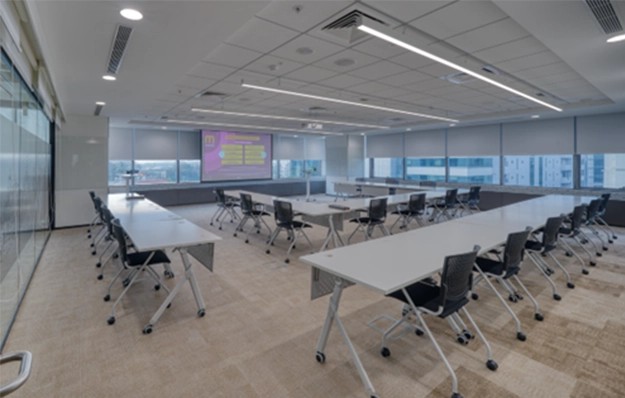
Products Featured – Sirius Foldable Tables with Data Chairs by Featherlite
They support modern teaching methods that emphasize discussion and participation. They allow classrooms to accommodate different class formats throughout the day. They also create spaces that feel more engaging and dynamic for students.
Institutions that invest in adaptive classroom environments often find that both student participation and learning outcomes improve.
Benefits for Organizations
Organizations benefit when graduates enter the workforce already comfortable with collaborative environments.
Employees who are familiar with flexible work settings tend to adapt more easily to modern workplaces where desks, meeting areas, and collaboration zones coexist within the same office.
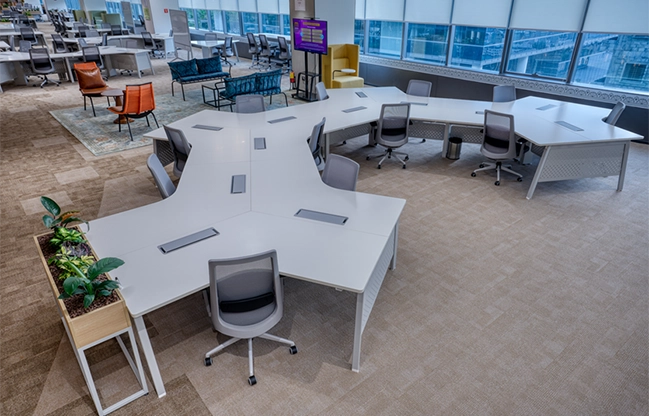
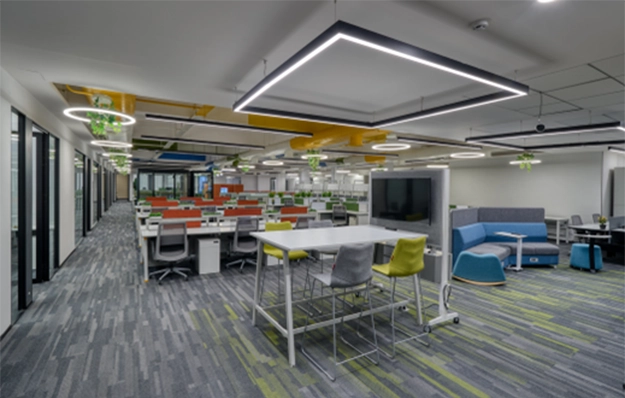
Featured Project – Meesho, Bengaluru,
Products Featured – Synergy Workstation, Amaze Chairs, Lounge furniture by Featherlite
They are more likely to participate in team discussions, contribute ideas, and navigate different work environments effectively.
In this sense, educational spaces and workplaces are part of a continuous ecosystem.
Designing for the Next Generation
As both education and work evolve, the environments that support them must evolve as well.
Featured Products – Orion agile table with Magna stackable chair, High table, Nomad, Arena, Synergy workstation with Rapid rail by Featherlite
Classrooms are no longer just places where information is delivered. Offices are no longer just places where tasks are completed.
Both have become spaces where people interact, collaborate, and create ideas together.
By designing learning environments that encourage flexibility, movement, and collaboration, institutions are not only improving education today — they are also helping shape the workplaces of tomorrow.